
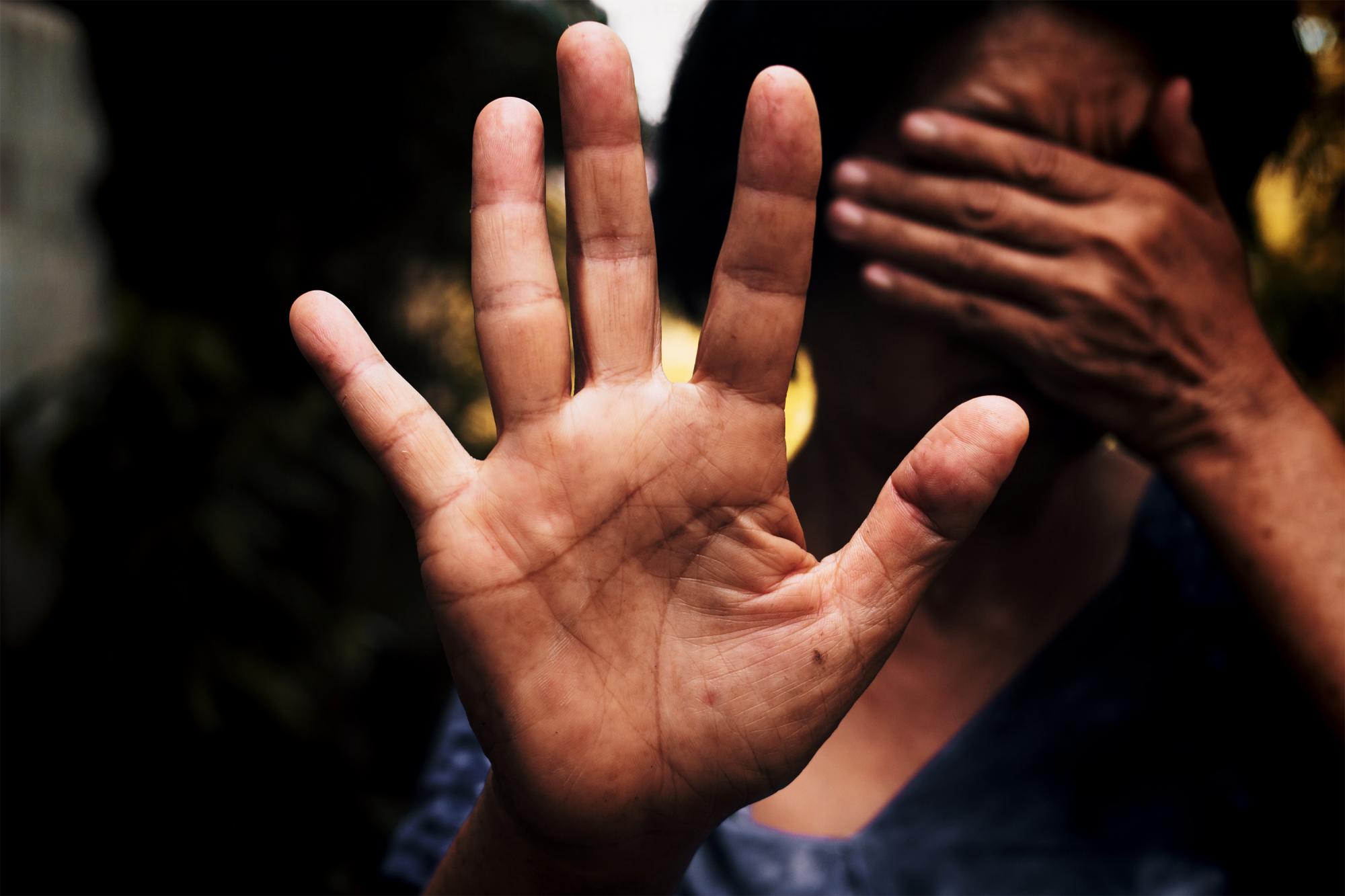

Let’s be real—talking about domestic violence isn’t easy. It’s one of those topics we tend to sweep under the rug, pretend it’s not happening, or hope it’ll magically go away. But guess what? Silence doesn’t solve anything. And if you’re reading this, chances are you or someone you know might be dealing with the effects of domestic violence—or just trying to understand it better. Either way, I’m glad you’re here.
So, let’s break it down. Domestic violence isn’t just about physical abuse. It can also be emotional, verbal, financial, or psychological. It happens in families, relationships, homes. And sadly, it’s a reality for so many people—especially young people.
But today, we’re going beyond the bruises. We’re talking about what this kind of violence does to the mind, the heart, and the soul. Because the truth is, domestic violence can seriously mess with your mental health.
- Anxiety That Doesn’t Go Away
When someone lives in a home where shouting, threats, or abuse are the norm, their brain can go into “survival mode.” Always alert. Always anxious. You might find it hard to relax, sleep, or even breathe properly when things get tense. It’s like living in a warzone, except the war is inside your own house.
Young people who experience domestic violence often deal with chronic anxiety—that constant feeling that something bad is about to happen. Even when they’re out of that environment, their brain still expects danger. That’s exhausting.
- Depression That Sits Like a Heavy Blanket
You know those days when you feel like doing nothing? Now imagine feeling that way every single day because you’ve been told over and over again that you’re worthless, stupid, or unlovable.
Verbal and emotional abuse are weapons. When someone close to you constantly puts you down, you begin to believe it. That’s how depression creeps in—through self-doubt, hopelessness, and emotional exhaustion.
And it’s not just sadness. Depression can make it hard to eat, sleep, focus, or enjoy things you used to love. Some days it might feel like you’re just trying to survive instead of live.
- Trust Issues—Big Time
When someone you’re supposed to trust—like a parent, caregiver, or partner—hurts you, it leaves deep emotional scars. And those scars make it really hard to trust anyone else.
You might start to think everyone will hurt you. You might avoid relationships altogether, or enter unhealthy ones because that’s all you know. It’s a vicious cycle, and the mental strain of always being suspicious or on edge can lead to paranoia, social isolation, and even panic attacks.
- Post-Traumatic Stress Disorder (PTSD)
Yep, it’s not just soldiers who get PTSD. People who go through domestic violence can experience it too. If you constantly replay painful memories, have nightmares, or get triggered by things like loud voices or sudden movements—you might be dealing with PTSD.
This isn’t about being “too sensitive.” It’s your brain trying to protect you from more trauma. Unfortunately, it does this by keeping you stuck in the past. And that’s something a lot of people, especially young survivors, silently struggle with.
- Self-Harm and Suicidal Thoughts
Let’s not sugarcoat this. Some young people feel so overwhelmed by their trauma that they start hurting themselves—cutting, burning, starving themselves, or worse. It’s not about attention. It’s a cry for help. It’s pain they don’t know how to express any other way.
Domestic violence can lead to suicidal thoughts, especially when someone feels trapped or believes there’s no way out. If this is you or someone you know, please—talk to someone. A friend. A teacher. A counselor. A stranger on a helpline. Anyone. Because your life is worth saving.
- Low Self-Esteem That Lingers
Growing up or living in an abusive home often means being told you’re not good enough. Over time, that message becomes your own inner voice. You might stop believing in yourself, settle for less in life or relationships, or stop trying altogether.
That’s the long-term mental effect that no one sees. It doesn’t leave bruises—but it definitely leaves damage. The good news? That voice can be unlearned. You can rewire your thinking, little by little, with time, therapy, and support.
So, What Can We Do?
First, we talk. Like we’re doing now. We remove the shame, the secrecy, and the lies. Domestic violence thrives in silence, so the more we speak up, the weaker it becomes.
Second, we educate ourselves. Understand the signs—not just physical, but emotional and mental. Learn what healthy relationships should look like. Respect. Safety. Kindness.
Third, we support each other. If your friend opens up about abuse, don’t judge. Don’t rush them. Just listen. Let them know they’re not alone. Encourage them to seek help.
And if you’re the one going through it—hear this:
It’s not your fault.
You don’t deserve it.
And there is help.
Healing takes time. But it’s possible. You’re allowed to feel broken and still want to be whole. You’re allowed to ask for help. You’re allowed to put yourself first.
Final Word
Let’s stop pretending domestic violence is just “adult stuff” or something we should ignore. It’s a mental health issue, a human rights issue, and a youth issue too. And the sooner we start talking, the sooner we can start healing.
If no one has told you this today:
You are strong. You are worthy. And you’re not alone.