
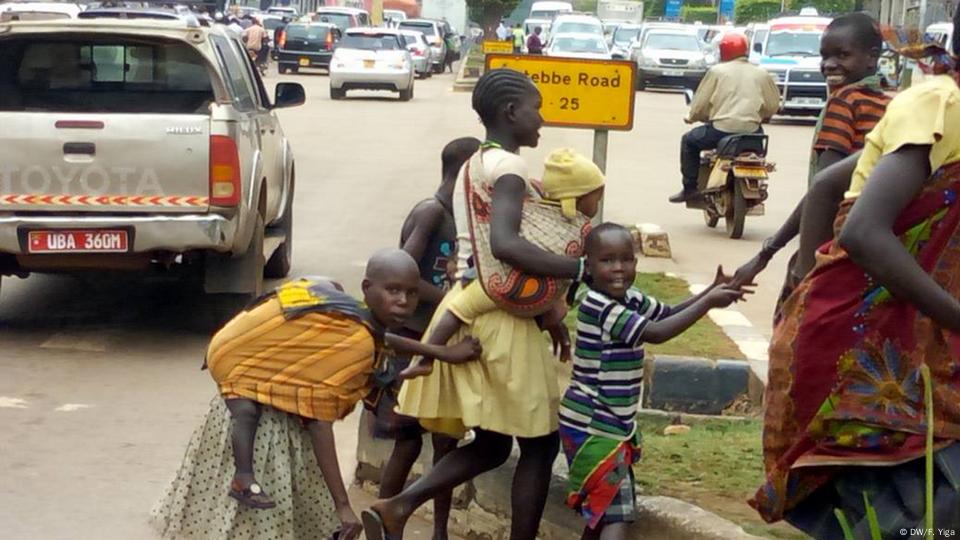

Across towns and cities in Uganda, it has become almost normal to see young children wandering the streets — barefoot, hungry, vulnerable, and often without hope. They knock on car windows at traffic lights, scavenge for food in garbage piles, or sleep on verandas and under bridges. While many people turn a blind eye, or offer spare change and move on, this growing population of street children represents a deeper national crisis — one that calls for immediate and compassionate action.
Who Are Street Children in Uganda?
Street children in Uganda are typically boys and girls under the age of 18 who live or work on the streets. Some have lost their parents; others have fled from abusive homes, extreme poverty, or conflict in rural areas. Many end up in urban centers like Kampala, Gulu, Mbale, and Mbarara in search of survival or the hope of a better life.
These children are often referred to as “street-connected” — meaning some may still have ties to family, while others are completely on their own. Regardless of their situation, the street becomes their home, and with it comes a harsh reality: exposure to abuse, exploitation, crime, drugs, and poor health.
According to various reports and NGOs working in Uganda, the number of street children is estimated to be in the tens of thousands, although an exact figure is difficult due to the transient nature of this population. What’s clear, however, is that the numbers are rising — and the problem is getting worse.
What Drives Children to the Streets?
The causes of this crisis are complex and interconnected. They include:
- Poverty
Poverty remains the leading driver of street life in Uganda. Many families, especially in rural regions, struggle to afford basic needs such as food, education, and healthcare. When children are seen as a burden or when families break apart due to financial stress, children may be forced to fend for themselves on the streets.
- Violence and Abuse
In some cases, home is not a place of safety. Children may experience physical abuse, sexual violence, or neglect from their caregivers. Others face punishment and mistreatment from step-parents or relatives. For them, running away seems like the only escape — even if the street presents new dangers.
- Orphanhood and Family Breakdown
The HIV/AIDS epidemic, road accidents, and other causes of adult mortality have left many children orphaned or in the care of elderly grandparents who cannot support them. In other instances, domestic breakdown due to separation, alcoholism, or polygamy can push children out of the home.
- Lack of Access to Education
Education is often out of reach for many vulnerable families. School fees, uniforms, and materials are unaffordable, and children may drop out early. With no access to schooling or vocational training, their future becomes uncertain — and the streets may seem like the only option.
- Urban Migration
Some children migrate from rural to urban areas believing that cities offer opportunities. Unfortunately, many arrive to find a harsh and unwelcoming reality. With no support systems in place, they quickly become part of the street population.
The Daily Reality for Street Children
Life on the streets is incredibly dangerous. Children face:
Health risks, including malnutrition, infections, respiratory diseases, and untreated injuries.
Sexual exploitation, particularly for girls who may be forced into survival sex to get food or protection.
Drug abuse, especially sniffing glue or petrol to numb hunger and pain.
Violence, both from other street dwellers and sometimes from law enforcement officers.
Criminal exploitation, where gangs use children to commit theft or other illegal acts.
And yet, despite these challenges, many of these children show remarkable resilience and form tight-knit communities for support and protection.
Why This Should Matter to All of Us
It is easy to dismiss street children as someone else’s problem — a failure of parenting, a consequence of poverty, or an unavoidable urban issue. But the truth is, these are Uganda’s children. They are part of our future. When we allow children to grow up on the streets without love, education, or guidance, we are fueling a cycle of poverty, crime, and instability.
Every child deserves a chance to grow up in a safe environment, go to school, dream big, and contribute positively to society. Allowing thousands of them to fall through the cracks is a national tragedy — and a moral failure.
What Can Be Done?
Solving the issue of street children in Uganda requires a coordinated, multi-pronged approach that addresses both the root causes and the symptoms. Here are some key actions:
- Strengthen Social Welfare Systems
Government agencies and local authorities need to invest more in child protection services. That includes building shelters, improving foster care systems, and training social workers to intervene early before children end up on the streets.
- Support Community-Based Programs
Local NGOs and community organizations play a vital role in rehabilitating and reintegrating street children. These programs offer food, counseling, education, and skills training. More support — including funding, training, and policy backing — is needed to scale these efforts.
- Invest in Education and Vocational Training
Universal access to free, quality education must be a national priority. Additionally, vocational programs can give older street-connected youth a chance to learn practical skills and earn a living.
- Address Poverty at the Family Level
Efforts to support low-income families — through microfinance, food security programs, and affordable healthcare — can reduce the pressures that push children onto the streets in the first place.
- Public Awareness and Advocacy
The public needs to see street children not as criminals or nuisances, but as victims of systemic failure. Changing this perception can lead to more compassion, support, and grassroots action.
- Enforce Child Rights and Protection Laws
Uganda has laws meant to protect children from abuse and exploitation, but enforcement is often weak. Strengthening legal frameworks and ensuring accountability can create a safer environment for vulnerable children.
Final Thoughts: A Shared Responsibility
The presence of children on our streets is not just a statistic — it’s a reflection of how we care for the most vulnerable among us. Street children in Uganda are not invisible, nor are they beyond saving. With political will, community involvement, and compassionate action, we can give them more than just survival — we can give them a future.
It starts with acknowledging the problem. It continues with choosing not to look away.
